Dedicated to the Conservation of Amphibians and Reptiles
Discover how we are bridging the gap between forestry practices and the health of amphibians and reptiles through education and actionable guidance.

Our Expertise
Services for Herpetofauna Conservation
Why Choose Us?
Discover Our Unique Value Proposition
Science-Based Insights
We provide research-driven guidance that translates complex ecological concepts into clear, accessible information for practical application in forest and habitat management. Our content is grounded in the latest scientific studies on amphibians, reptiles, and forest ecosystems, allowing conservationists, landowners, and enthusiasts to make informed decisions. By combining evidence-based research with actionable recommendations, we help ensure that habitat restoration, tree planting, and forest management practices effectively support biodiversity and promote the long-term health of herpetofauna populations.
Practical Solutions
Our recommendations focus on actionable steps that landowners, conservationists, and forest managers can implement to improve forest health and support biodiversity among amphibians and reptiles. We provide guidance on habitat restoration, vegetation management, tree planting, microhabitat creation, and other hands-on practices that make a tangible difference for herpetofauna. By offering solutions that are both practical and ecologically sound, we empower individuals and communities to actively contribute to the preservation and enhancement of forest ecosystems that sustain healthy wildlife populations.
Community Driven
We actively engage with conservationists, land managers, educators, and nature enthusiasts to foster a vibrant community committed to protecting our fragile forest ecosystems. Through collaboration, knowledge sharing, workshops, and outreach initiatives, we create opportunities for individuals and organizations to learn from one another and implement best practices for habitat conservation. By building a connected, informed, and passionate network, NA Herpetology encourages collective action that safeguards amphibians, reptiles, and the delicate balance of forest ecosystems for generations to come.
Reserach / Blog

Timing a Bouquet of Flowers Wedding Morning Deliveries Around Ceremonies
Wedding mornings move fast, and florals can either calm the timeline or completely derail it….

How to Choose Wedding Flowers That Suit Sydney’s Spring Season
Spring in Sydney is bright, changeable, and full of local blooms that look incredible in…
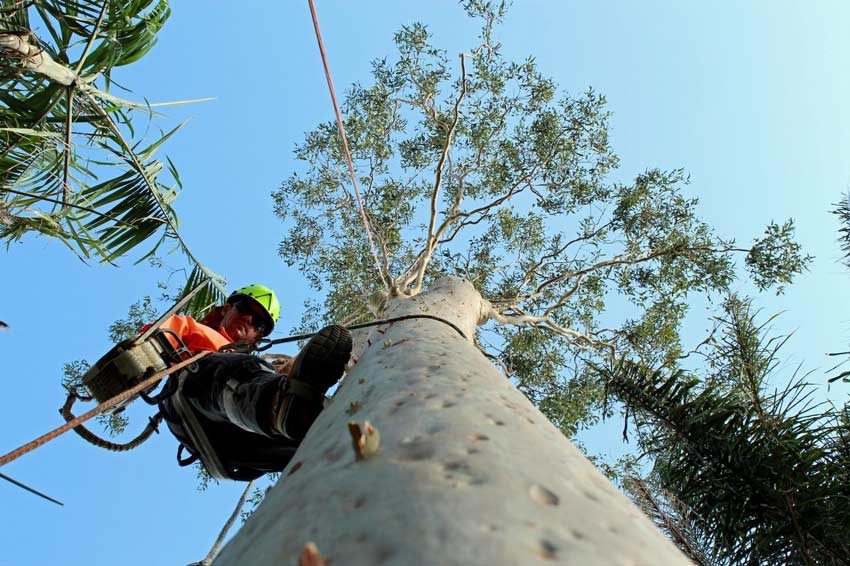
What Qualifications Should a Tree Arborist Hold in Australia?
In Australia, a tree arborist should be able to show nationally recognised training, current safety…
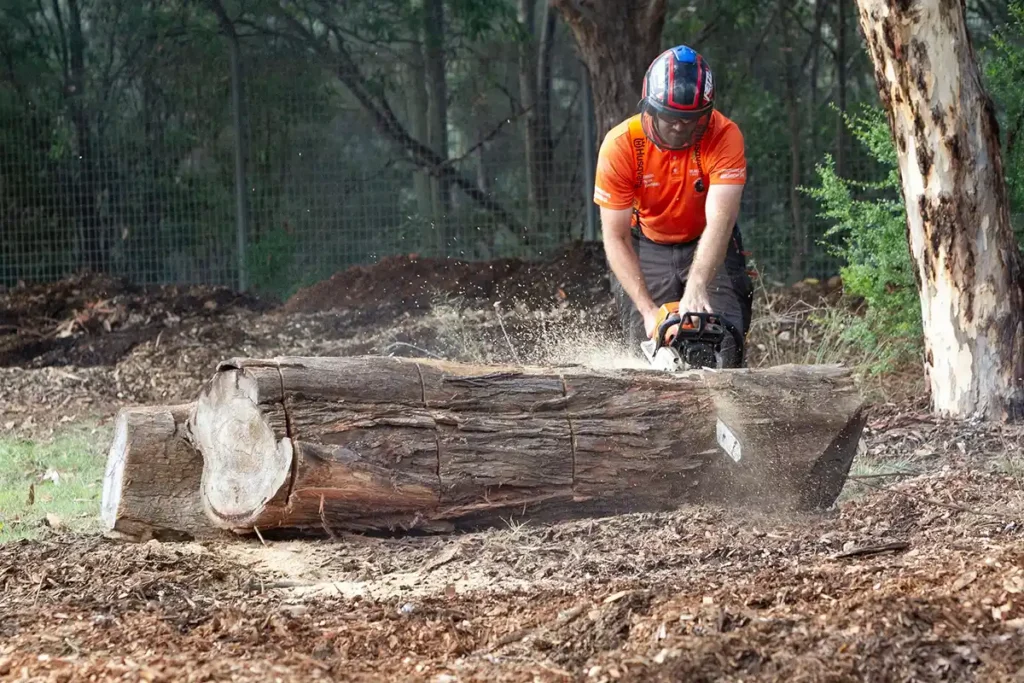
How to Compare Tree Cutting Services Near Me Before Booking
This guide walks through what to check, what to ask, and what should be included…

Tree Removal Central Coast Services: A Coastal Property Guide
Tree removal Central Coast services cover a large and varied area from Gosford and Erina…
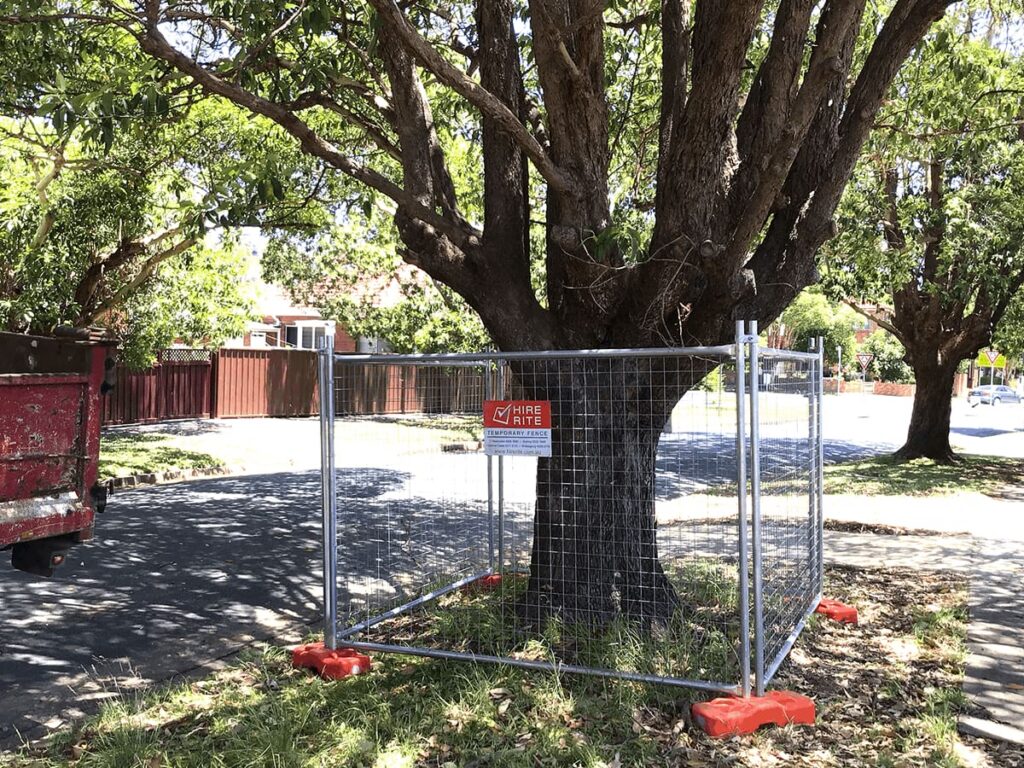
Tree Removal Cost Sydney: A Practical Price Guide
Tree removal cost Sydney homeowners receive can vary dramatically for what appears to be the…